
The whole world is in crisis right now. We are experiencing a global pandemic of COVID-19 and economic uncertainty. We are all feeling fearful of what the future might look like. All of my social media pages are filled with conflicting information and people arguing over one issue or another. Therefore, I decided to make this blog to explore how psychology is in action throughout this process.
First of all, most of our reactions are brought about by emotion. We see, hear, or experience something and sometimes act or react based on how we are feeling. To use an extreme example, if I were fearful that I was going to catch COVID-19, and a person coughed close to me, I might react angrily. If, on the other hand, I had never heard of COVID-19 and a person coughed near me, I might offer them a tissue or simply move away from them.
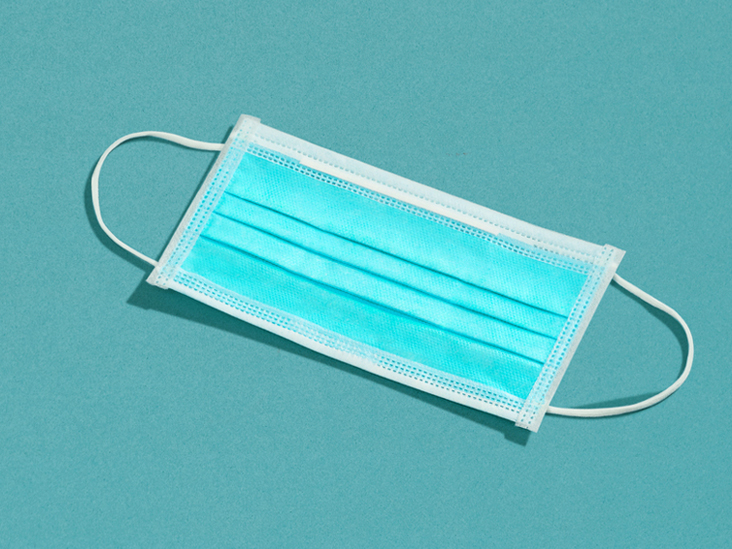
During the initial stages of the pandemic, the World Health Organisation said that masks were not effective and wearing them would not stop the spread of the disease. They then changed their advice and said that masks would help to prevent the spread by catching the water droplets from being in the air. Therefore, in England, the government had said that masks are compulsory in public places such as shops and public transport. There are not many people who are indifferent about wearing a mask or not. For the main part, you are an anti-masker or you vigilantly wear one wherever you go.
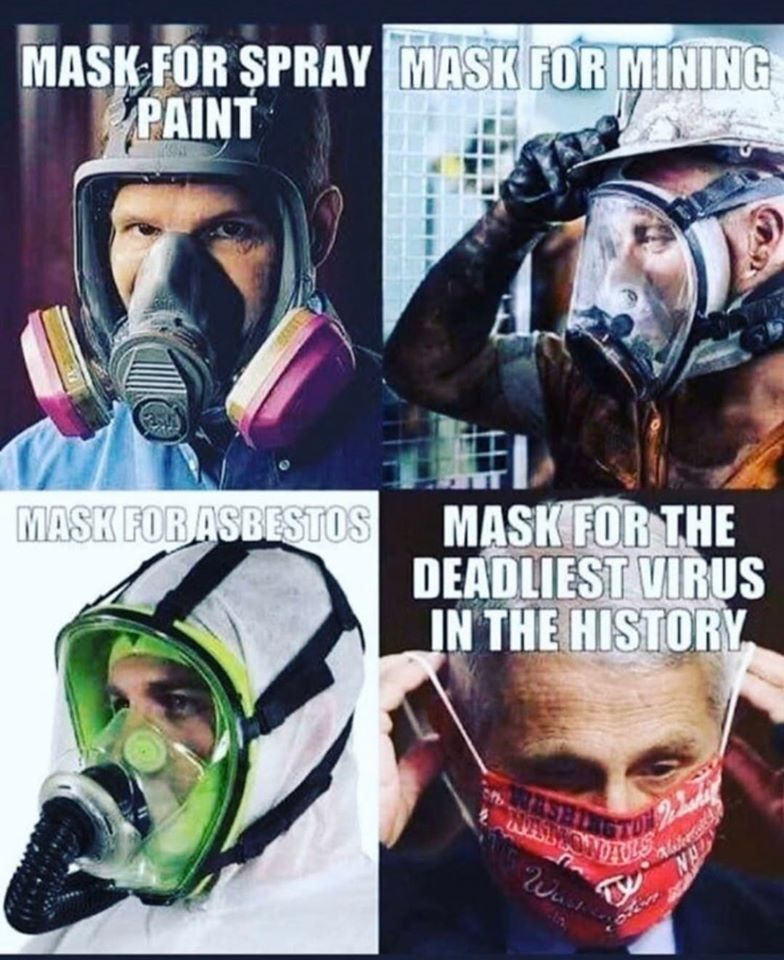
I have seen pictures and memes of people making light of the situation such as the following:

Or this:
To help you to understand why this is happening, I am going to be drawing on several areas within psychology to discuss the great mask debate that people are having.
Within Social Psychology, a researcher called Henri Tajfel proposed Social Identity Theory. He suggested that we divide the world into “them” and “us” based a process of social categorization. We define these groups in several areas of our lives. For example, those who support one football team would define all of those who support the same team as ‘us’ and those who support the opposition as ‘them’.
We do this in many areas of our social life such as politics, work-life, religion, geography, family, and so on. Tajfel (1979) proposed that the groups which people belonged to were an important source of pride and self-esteem. Groups give us a sense of social identity: a sense of belonging to the social world. He proposed that it is based on a normal cognitive process: the tendency to group things. In doing so we tend to exaggerate:
1. the differences between groups
2. the similarities of things in the same group.
In the example of wearing a mask to stop the spread of COVID-19, if you believe that we should be wearing masks, those who also believe we should be wearing one are the ‘us’, or in-group. All of those who say masks are not necessary are ‘them’, or the out-group. The central hypothesis of social identity theory is that group members of an in-group will seek to find negative aspects of an out-group, thus enhancing their self-image.
In the debate of wearing a mask, this means that there are two groups of people highlighting the negative aspects of the other group. The mask wearers are saying to the non-mask wearers ‘you are being irresponsible by not wearing one and are putting lives at risk. The non-mask wearers are saying to the mask wearers ‘those masks are not effective and you are stupid for believing that’.
We are living in very uncertain times at the moment. Every aspect of our lives such as work, family, finances and future are in danger. When we are experiencing stress, we normally dig our heels in and refuse to change. When times and the future is uncertain, we are even less likely to change.
Human beings have a long history of learning to adapt. We learn from similar situations that have occurred in the past and make changes so that mistakes are not repeated. However, when we are feeling fearful, we are less likely to change our attitude or be willing to learn from past mistakes. In the current situation, we have many fears such as losing someone we love to the disease, fear that we may lose our jobs, fear that we will not be able to get another job, fear that the economy will deteriorate so badly that we may not have a pension to retire on. Fear that it may be a very long time before we return to “normal”.
This fear is very unhelpful within communities. If we are to be more resilient during these times, we need to manage this fear and become more flexible. We are going to need to adapt to a new way of living which will require us to be flexible.
In general, within society, we like people who are similar to us in some way. Meeting people who share our attitudes makes us feel more confident in our attitudes about the world. We feel comfortable and confident with people we trust and it gives us pleasure to have some control over our lives. This is why we separate the world into us and them. Pioneers in social psychology such as Allport (1968) say that the thoughts, feelings, and behaviours of individuals are influenced by the actual or implied presence of others. Our lives, more specifically, our social lives, are characterised by ‘norms’ (normal social similarities and differences between people, Turner, 1991).
We know that law and order must be followed so we know what is acceptable and what isn’t. Studies such as those carried out by Milgram have proven that we tend to obey authority figures. Milgram infamously set up an experiment where participants were ordered to administer electric shocks. Obedience to authority is ingrained in us all from upbringing. People tend to obey orders from individuals, or groups of individuals if they recognize their authority as morally and/or legally right. This response to legitimate authority is learned in a variety of situations such as within the family, school, and workplace.
From this perspective, we are being told to wear a mask by authorities and are therefore likely to follow this request. However, they initially said that masks would not help to stop the spread of COVID-19. Those people who oppose wearing masks have been influenced in the same way but at an earlier time.
Each group is seeking evidence to support their claim. The more we are exposed to a particular argument or suggestion the more likely we may be to be influenced to think the same. Within social media networks, we know that information will probably be accepted as true of enough people repeatedly mention it, even if the information is unfounded. Also, people tend to change their thoughts or habits by taking advice from their friends. (Christakis & Fowler, 2007)
There are arguments amongst friends, families, and within communities during these uncertain times. It is becoming the new normal to challenge strangers for not wearing a mask. This is fuelled by the lies and divisiveness by politicians and world leaders.
This is how racism grows. This is how crowd violence evolves. This is how wars start. This is how we become less powerful to enact changes that want and need. By dividing one large group of people into smaller groups such as anti or pro-mask, the individual smaller groups are less powerful and influential. What you end up with are the rich and the poor, the upper-middle and lower classes, the whites and the blacks, the indigenous and immigrants. This is divide and conquer.
I would implore you to have more empathy and be more understanding of each other. Listen and try to have some empathy so you can respond rather than react. If we are to survive in these times we need to communicate, connect, and support one another.


