
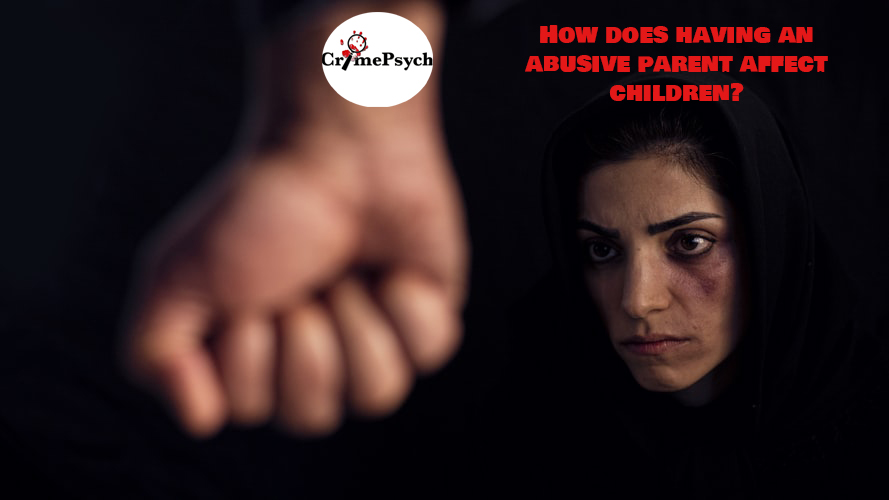
During the month of October, Crimepsych is focusing on building awareness of domestic abuse. Domestic abuse can come in many forms including verbal, physical, and emotional forms. Both men and women can inflict the abuse or be the victim. Domestic abuse is not limited to age either.
However, one aspect that is not always widely discussed is how abusive relationships can affect children. There are many aspects to consider when answering this question. Firstly, the age of the child or children should be considered. A toddler will be affected differently than a teenager. Secondly, every child is different and will react differently or face various challenges. The third thing to consider is how you should approach talking to your child or getting the help and support they need. Of course, there is the question of how to keep children safe if they are living in a home with an abusive parent.
No matter how much you try to shield your children, they will be aware of the abuse. One source states that children are aware of 80% of occurrences even when the abused parent believes the children are not aware of what is going on. (https://bethesdahouse.ca/about-abuse/the-effects-of-relationship-abuse-on-children/ )
Children may see violence directly or see the bruises or cuts after. They may hear constant arguments. They may see one parent being fearful or anxious all the time. This can be very conflicting for a child. They may love each parent deeply and not want to take sides. They may even try to retaliate to protect the abused parent.
We know from many studies within psychology that children learn behaviours and acceptable behaviour that they observe. Living in a home with an abusive parent may lead a child to think that is a normal dynamic in a relationship and an acceptable way to behave. Many children who live with an abused parent are often victims of physical violence too. This can cause many negative effects on their physical or mental health. Children who witness violence between parents may also be at greater risk of being violent in their future relationships. If you are a parent who is experiencing abuse, it can be difficult to know how to protect your child.
Young preschool-aged children who witness physical violence at home may revert to acting in ways they did when they were younger. Younger children may start bedwetting again, they may have disturbed sleep patterns and be on a constant state of alert. They may develop anxiety and become very cling to their parent.
Because older school-aged children have a better understanding of the world, they may display different behaviours. Very often, they will feel guilty about the abuse and blame themselves. They may become more isolated and withdraw from social activities both inside and outside of school. They may act out and get into more trouble.
Teens who witness abuse may act out in negative ways, such as fighting with family members or skipping school. They may also engage in risky behaviours, such as having unprotected sex and using alcohol or drugs. They may have low self-esteem and have trouble making friends. They may start fights or bully others and are more likely to get in trouble with the law. This type of behaviour is more common in teen boys who are abused in childhood than in teen girls. Girls are more likely than boys to be withdrawn and to experience depression.
Each child responds differently to abuse and trauma. Some children are more resilient, and some are more sensitive. Children who witness or are victims of emotional, physical, or sexual abuse are at higher risk for health problems as adults. These can include mental health conditions, such as depression and anxiety. They may also include diabetes, obesity, heart disease, poor self-esteem, and other problems.
Women’s aid website neatly summarizes some of the effects of domestic abuse on children. They state:
Children are individuals and may respond to witnessing abuse in different ways. These are some of the effects described in a briefing by the Royal College of Psychiatrists (2004):
- They may become anxious or depressed
- They may have difficulty sleeping
- They have nightmares or flashbacks
- They can be easily startled
- They may complain of physical symptoms such as tummy aches and may start to wet their bed
- They may have temper tantrums and problems with school
- They may behave as though they are much younger than they are
- They may become aggressive or they may internalise their distress and withdraw from other people
- They may have a lowered sense of self-worth
- Older children may begin to play truant, start to use alcohol or drugs, begin to self-harm by taking overdoses or cutting themselves or have an eating disorder
Children may also feel angry, guilty, insecure, alone, frightened, powerless or confused. They may have ambivalent feelings towards both the abuser and the non-abusing parent. https://www.womensaid.org.uk/information-support/what-is-domestic-abuse/impact-on-children-and-young-people/
It may not be possible or even safe to leave an abusive relationship. It is important that if you do decide to leave you take steps to ensure you and your children are safe. The first step is to make sure your child knows the abuse isn’t their fault and violence is never ok, even when someone they love is being abusive.
You could contact the police to help you to leave safely. Talk about a safety plan with your children before you leave. Arrange for a safe place for the children to be. You may wish to inform their school to ensure the abusive parent doesn’t remove them. If you do leave your children with someone, discuss a safe word that they can use to let you know they need help. It’s also important to tell them that their job is to stay safe, not protect you.
You could pack a small bag before you leave with all your important documents in. You may be able to leave this at friends, family members, or locker away from your home. Finally, memorize any important numbers in case you have to leave without your phone.
There are many websites that offer advice and support to abused parents and their children. I have included a few here. If you know someone who is being abused, you can help by offering support and advice. However, they may not be safe to stay with you if the abusive partner suspects they may go there.
Although children will probably never forget what they saw or experienced during the abuse, they can learn healthy ways to deal with their emotions and memories as they mature. The sooner a child gets help, the better his or her chances for becoming a mentally and physically healthy adult.
You can help your children by helping them to feel safe. Children who witness or experience domestic violence need to feel safe. Consider whether leaving the abusive relationship might help your child feel safer. Talk to your child about the importance of healthy relationships. Talking to them about their fears. Let them know that it’s not their fault or your fault.


